

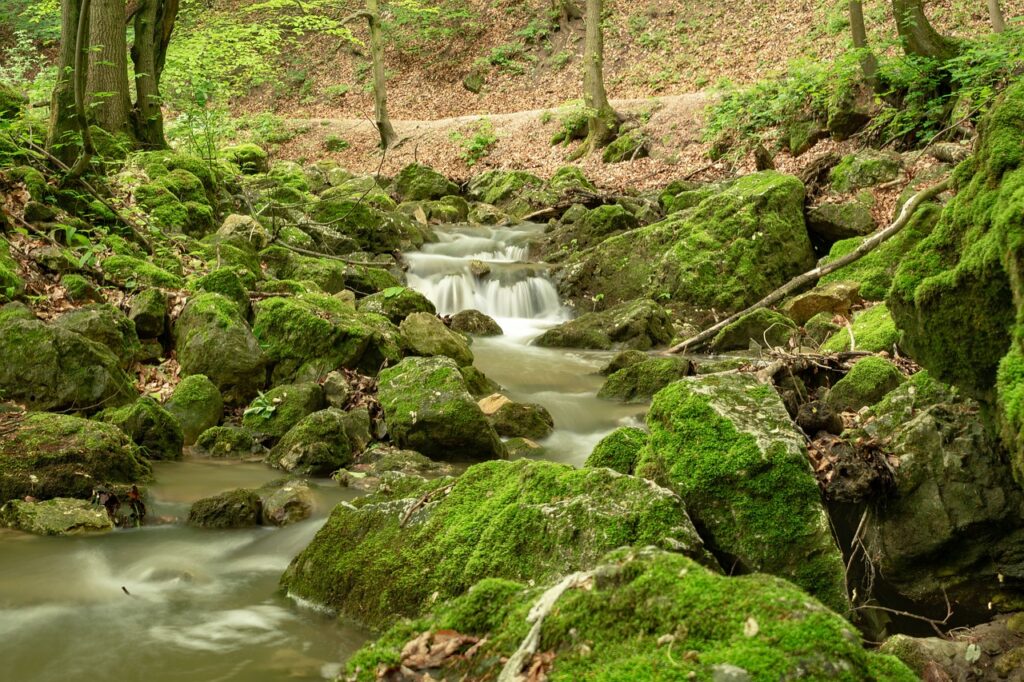
Flora of Pench National Park
Pench National Park is a lush, vibrant tapestry of life, showcasing the classic beauty of a dry deciduous forest. True to its ecosystem, the fores sheds leaves during the dry season from late winter to spring — conserving water and thriving in the tropical climate, which alternates
between:
Hot, dry summers
Monsoon season with heavy rainfall
Cool, pleasant winters
Dominant Tree Species
The forest is largely dominated by Teak (Tectona grandis), forming dense, majestic patches across the landscape. Alongside teak, many other deciduous trees create a rich canopy and mid-story, including:
Sal (Shorea robusta)
Mahua (Madhuca indica) – valued for traditional liquor and medicinal uses
Tendu (Diospyros melanoxylon) – known for leaves used in making Indian bidis
Salai (Boswellia serrata) – yields aromatic resin
Jamun (Syzygium cumini)
Bamboo – provides shelter and food for herbivores
Other Noteworthy Trees
Pench’s biodiversity is further enriched by:
Saja (Terminalia tomentosa)
Bija (Pterocarpus marsupium)
Lendia, Aonla (Indian Gooseberry), Khair, Bhirra, Palas, Skiras, Kahimali
These species offer shade, food, and nesting habitats, playing a crucial role in the park’s
ecosystem.
Medicinal Plants & Ethnobotany
Pench is a living pharmacy for indigenous tribes like the Gond and Baiga. Many plants hold medicinal and cultural significance, forming a part of traditional healing practices:
Mahua, Neem, Amla (Aonla), Arjun
Amaltas, Curcumin (from turmeric), Sarpgandha, Ashwagandha, Satavar
These plants highlight the sustainable knowledge systems of local communities and the deep connection between humans and nature.
Rare and Unique Trees
Some of Pench’s trees add a mystical charm to its forests:
Ghost Trees (Sterculia urens) – with pale, almost glowing bark, creating a haunting beauty under moonlight
Crocodile Bark Trees (Terminalia crenulata) – known for their cracked bark resembling crocodile skin
Ground Flora & Understory Vegetation
The forest floor is alive with:
Grasses
Shrubs
Herbs
Creepers and saplings
This lush undergrowth provides food and shelter for herbivores like deer, gaur, and wild boar,
maintains soil health, and sustains the ecological balance of Pench.
Conclusion
The flora of Pench National Park is not just visually stunning, but ecologically indispensable. From towering teak and majestic sal trees to medicinal herbs treasured by tribal communities, every plant plays a role in sustaining the forest’s dynamic ecosystem. For botanists, nature lovers, and eco-tourists, Pench offers an enriching, immersive experience where every leaf tells a story of life and resilience